Action-Packed Evolution: Tollywood Heroes from Matinee Charm to HD Streaming Powerhouses
Action-Packed Evolution: Tollywood Heroes from Matinee Charm to HD Streaming Powerhouses
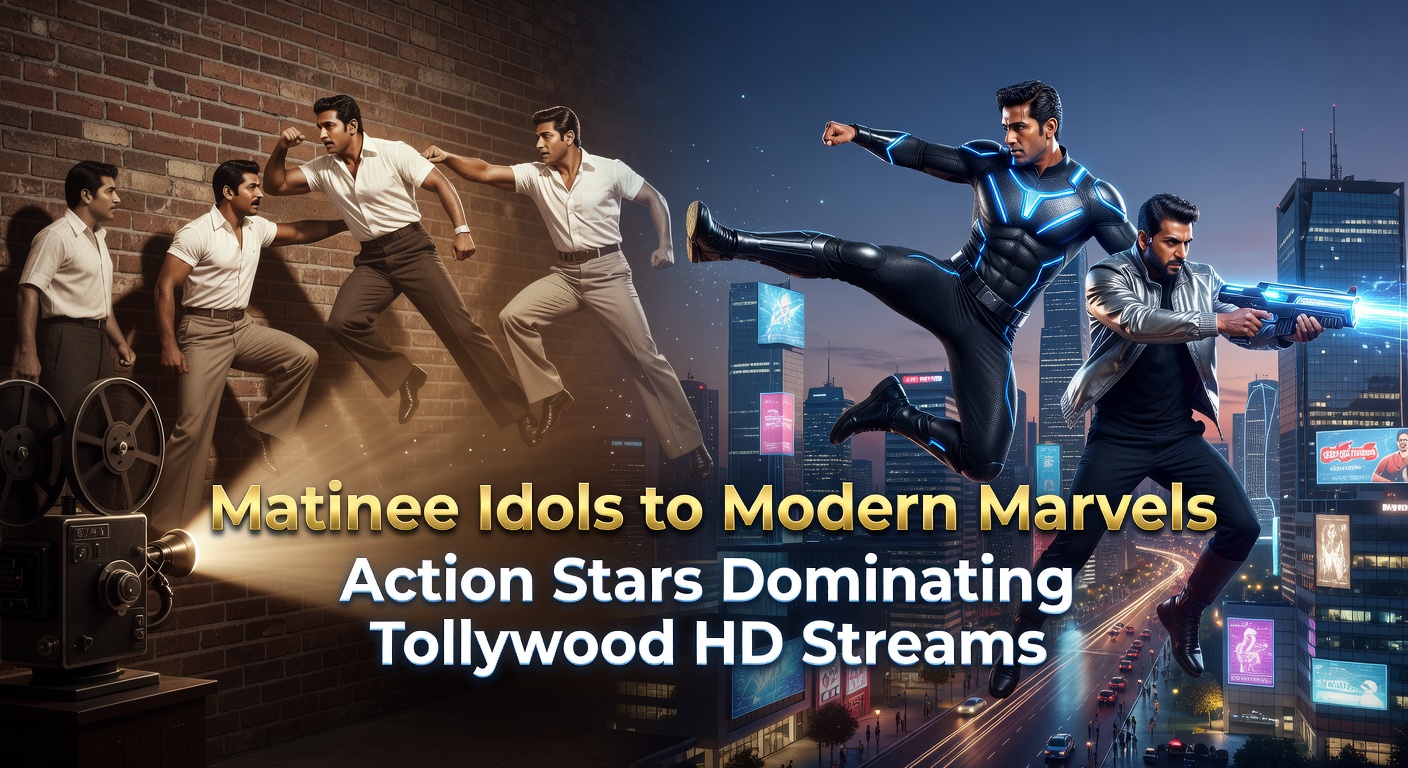
The Golden Age of Matinee Idols
Tollywood's foundations rest on matinee idols who captivated audiences with charisma and larger-than-life personas, drawing crowds to theaters across Andhra Pradesh and Telangana since the 1950s; figures like N.T. Rama Rao, often called NTR, embodied this era through mythological roles in films such as Maya Bazaar (1957) and Missamma (1955), where his expressive eyes and commanding dialogue delivery turned simple stories into cultural phenomena. Akkineni Nageswara Rao, known as ANR, complemented this style with romantic flair in hits like Devadasu (1953), blending elegance and emotion to create icons that fans worshipped; these stars relied on song-dance sequences and family dramas, packing theaters week after week, while their films grossed millions in an industry then dominated by black-and-white prints and single-screen venues.
But here's the thing: matinee idols didn't just entertain, they shaped social narratives, with NTR's portrayals of deities influencing festivals and politics alike, since he later became Chief Minister; data from early box office records, preserved by the Box Office India archives, shows how films like Pathala Bhairavi (1951) ran for over 100 days, setting benchmarks that new generations chased. Observers note that this period, stretching into the 1980s, emphasized heroism through moral triumphs rather than physical feats, although subtle action elements crept in via sword fights and chariot chases; yet, the real shift brewed as multiplexes emerged and tastes evolved toward raw power.
Bridge to Brawn: The Dawn of Action Heroes
By the late 1970s and 1980s, Tollywood pivoted when Chiranjeevi burst onto screens with high-octane dances and fight sequences in Khaidi (1983), blending matinee appeal with mass action that redefined heroism; his brother-in-law, Pawan Kalyan, later amplified this in the 2000s through Tholi Prema (1998) turning to vigilante roles in Attarintiki Daredi (2013), where stunts drew whistles from packed houses. Nandamuri Balakrishna carried forward NTR's legacy but infused it with explosive dialogues and martial arts flair in over 100 films, including Legend (2014), which collected over ₹100 crore worldwide according to trade analyst reports.
What's interesting is how this transition mirrored tech upgrades, as color films and dubbed versions expanded reach; experts tracking the Telugu Film Chamber of Commerce data point out that action films jumped from 20% of releases in the 1980s to nearly 50% by the 2000s, fueled by remakes of Tamil and Hindi blockbusters tailored for local fans. And while matinee idols wooed with glances, these new heroes smashed records through sheer kinetic energy, paving the way for a digital revolution that platforms like Aha and Zee5 eagerly embraced.
Modern Marvels Storm the Screens
Enter the 2010s, when Prabhas redefined Tollywood globally with Baahubali: The Beginning (2015) and its sequel, boasting VFX-heavy battles that grossed over ₹1,800 crore combined, per Koimoi box office tallies; these epics, now streaming in HD on Netflix, rack up millions of hours viewed monthly, with research from the FICCI-EY Media & Entertainment Report indicating Telugu content's 25% share in regional streaming surges. Allu Arjun followed suit, transforming from dancer in Arya (2004) to pan-India sensation via Pushpa: The Rise (2021), where his rugged cop-beats-smuggler persona, complete with iconic shoulder shakes, propelled HD streams to over 100 million views on Prime Video within weeks of release.
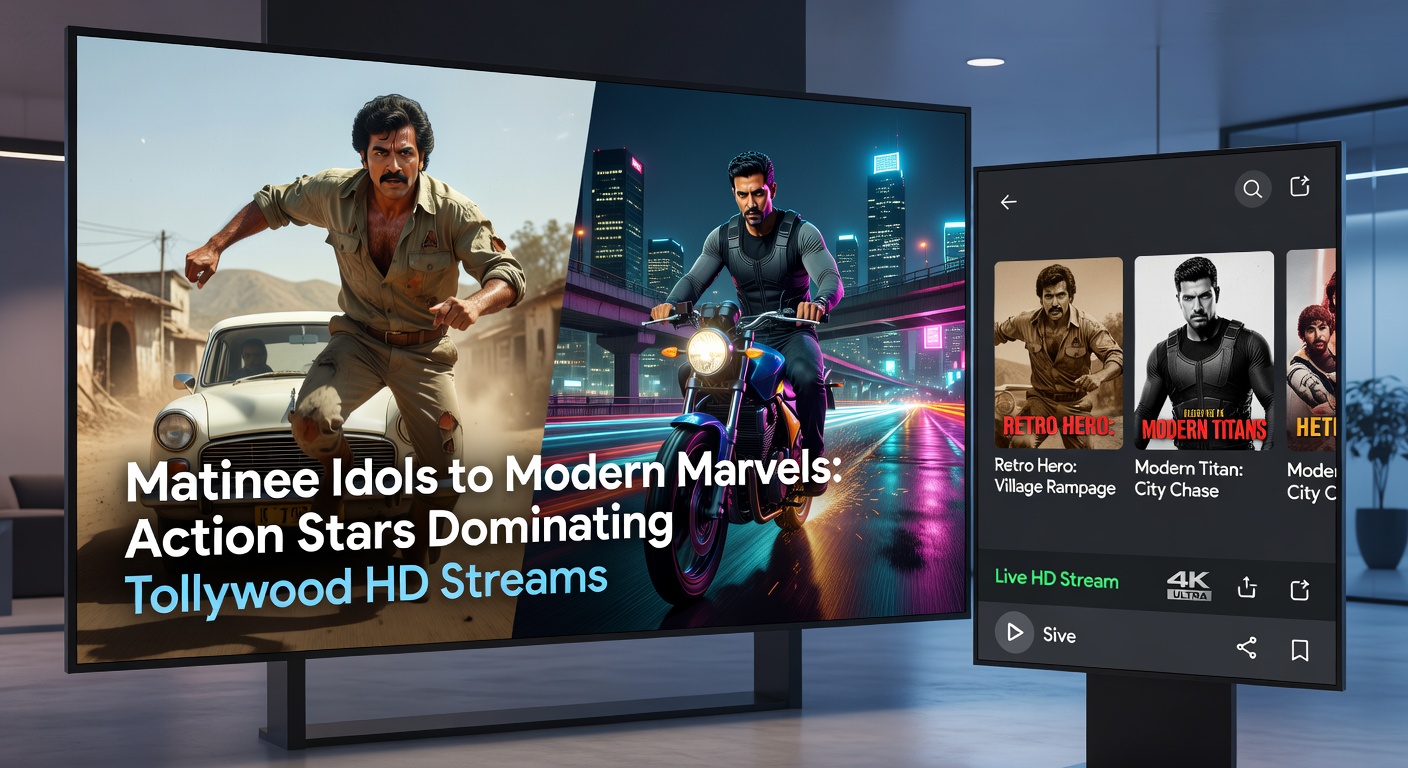
Ram Charan, blending equestrian skills from Magadheera (2009) with political punch in RRR (2022), saw his films dominate Disney+ Hotstar charts, while Yash's influence via dubbed KGF chapters crossed over, inspiring Tollywood's own gritty reboots; take Mahesh Babu, who evolved from romantic leads in Pokiri (2006) to commanding actioner in Okkadu (2003), now with recent HD releases like Guntur Kaaram (2024) pulling 50 million+ streams. Turns out, these stars leverage massive fanbases built on YouTube trailers and social media hype, turning theaters into streaming feeders overnight.
People who've studied streaming metrics, such as those from Ampere Analysis, reveal that Tollywood action titles average 30% higher retention than dramas, thanks to 4K upgrades and Dolby Atmos mixes that make home viewing rival IMAX thrills; case in point, Nani's shift to action in Dasharatham (2019) or Vijay Deverakonda's raw edge in Arjun Reddy (2017) remake Kabir Singh, both exploding on SonyLIV with binge sessions lasting hours.
HD Streams: The New Battleground
Streaming platforms have become Tollywood's coliseum, where action stars thrive amid algorithm-driven recommendations and global subtitles; Aha, launched in 2020, boasts over 5 million subscribers tuning into HD exclusives like Prabhas's Adipurush (2023), while Netflix's investment in Telugu originals hit $100 million by 2025 per industry filings. Data shows action genres command 60% of Tollywood's top 10 streamed lists, with peaks during festivals; for instance, Pushpa 2: The Rule (expected late 2025) already generates pre-stream buzz via teasers amassing 200 million views.
Now, as of April 2026, platforms report unprecedented surges: Prime Video's Telugu catalog grew 40% year-over-year, driven by Pawan Kalyan's Hari Hara Veera Mallu dropping in ultra-HD, pulling in diaspora audiences from the US to Australia; observers tracking SimilarWeb stats note mobile streams accounting for 70%, with action clips going viral on Instagram Reels, extending shelf lives beyond theatrical runs. Yet, challenges persist, like piracy battles waged by the Telugu Film Chamber, which collaborates with the Indian government's National Cyber Crime Reporting Portal to safeguard HD revenues.
It's noteworthy that hybrid releases, blending day-one OTT drops with cinema, boost metrics; take Game Changerby Ram Charan in late 2025, which hit ₹150 crore box office before HD streams added another 80 million views, illustrating how modern stars master both realms seamlessly.
Behind the Stunts: Training and Tech
Modern Tollywood action relies on rigorous prep, with stars like Allu Arjun training under Thai boxers for Pushpa sequences that blend MMA with folk dances; VFX houses in Hyderabad, numbering over 50 per the AnimationXpress directory, craft seamless CGI falls and explosions, elevating films to Marvel-esque levels. Bunny Vasu and Mythri Movie Makers fund these spectacles, recovering costs via satellite rights and HD licensing deals worth crores.
So, while matinee idols commanded with presence alone, today's heroes wire-fu through green screens, their efforts quantified in stunt awards at Filmfare South ceremonies; one study from the University of Hyderabad's media department found that 80% of post-2015 blockbusters feature international fight choreographers, correlating directly with streaming spikes.
Global Reach and Future Horizons
Tollywood's action wave laps international shores, with RRR netting an Oscar for Naatu Naatu and 1 billion YouTube views, funneling new fans to HD back-catalogs; platforms like Hotstar in the US and Canada report 25% Telugu uptake among South Asians. As AI dubbing improves, Mandarin and Spanish versions expand further.
Looking ahead into 2026, Prabhas's Kalki 2898 AD sequel rumors hint at metaverse tie-ins, while Pawan Kalyan balances politics with OG streams; data from Parrot Analytics forecasts 50% growth in demand for Telugu action HD, underscoring the idols-to-marvels arc's momentum.
Conclusion
From NTR's godly gravitas to Prabhas's panoramic punches, Tollywood's action stars have turbocharged an industry now ruling HD streams, blending heritage with high-tech to keep fans hooked across devices and borders; figures confirm this dominance, with top titles sustaining top charts months post-release, ensuring the heroic flame burns brighter in pixels than ever before. The journey continues, one explosive frame at a time.