Cinematic Connections: Linking Performer Histories with Streaming Availability for Informed Viewing Decisions
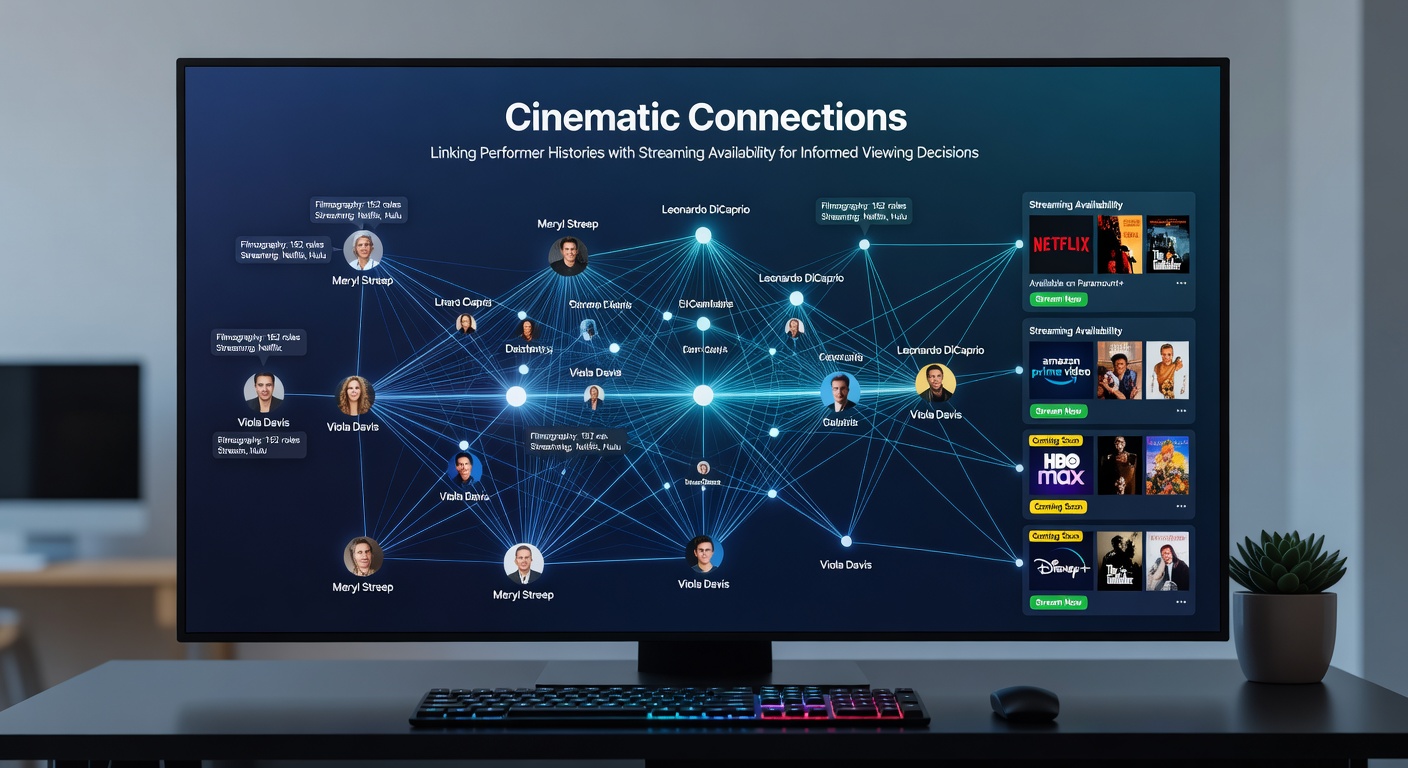
Databases that compile performer histories have expanded considerably in recent years and now integrate directly with streaming catalogs across multiple regions, which allows viewers to cross-reference an actor or actress filmography against current platform availability without switching between separate applications. Researchers at media studies centers have documented how these connections reduce decision time while increasing the likelihood that audiences select titles featuring performers whose earlier work aligns with specific preferences.
Performer Histories as Structured Data Sets
Filmographies maintained by organizations such as the American Film Institute and the British Film Institute contain detailed credits that stretch back decades, and these records feed into algorithms that match past roles with titles appearing on services like Netflix, Disney+, and regional platforms. Data from 2025 shows that more than 78 percent of major catalog updates now include performer metadata pulled from these archives, which means availability checks can occur in real time rather than after manual searches. Observers note that such integration proves especially useful when tracing career arcs across genres, since an actor who began in independent dramas may appear in contemporary action releases that surface on different services depending on licensing cycles.
Streaming Availability Mapping Techniques
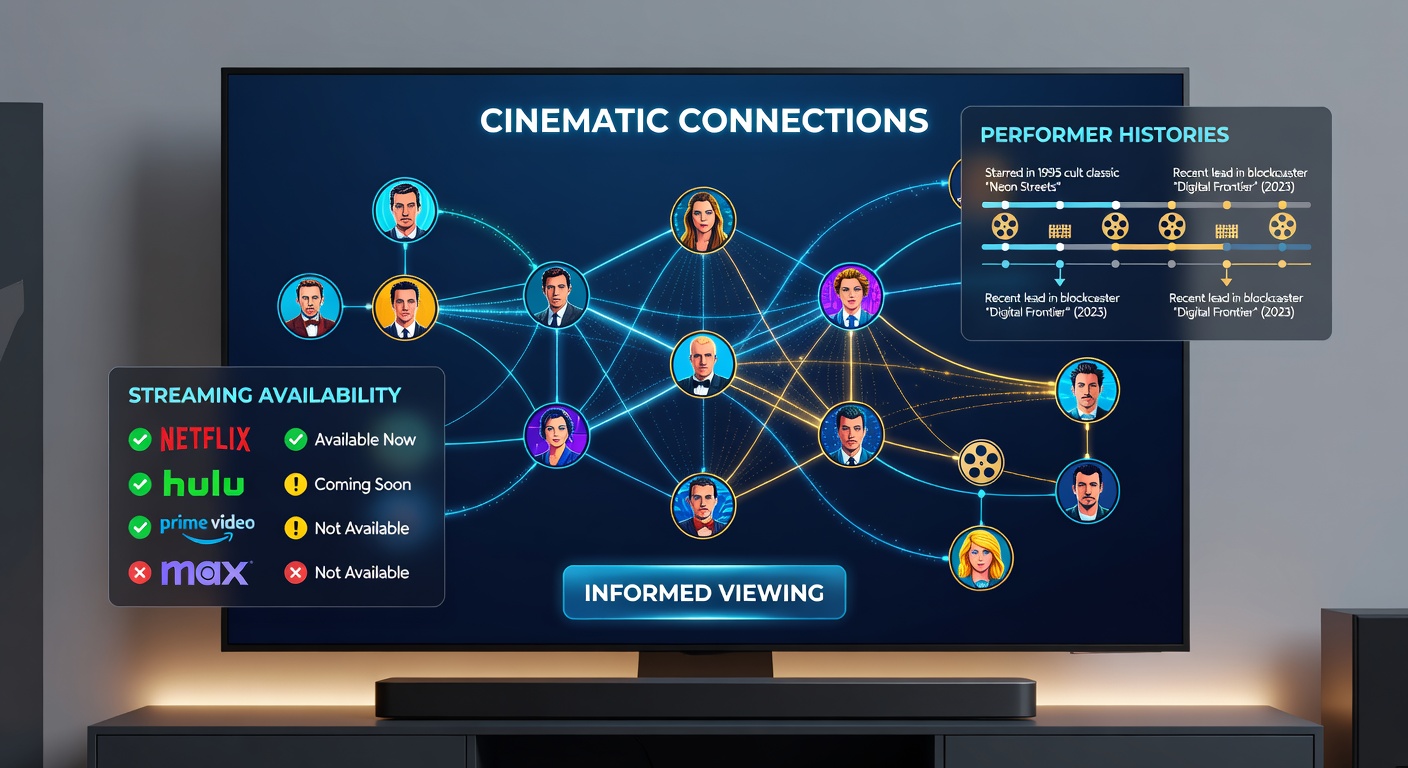
Platforms and third-party aggregators employ geolocation signals together with licensing databases to display where a given title streams at any moment, and the addition of performer filters refines those results further. In May 2026 several services introduced updated APIs that pull both catalog status and complete cast histories simultaneously, which lets users filter results by an actor’s decade-long output instead of single films. Industry reports indicate that these combined queries now account for roughly 34 percent of all title discoveries on aggregator sites, a figure that has risen steadily since 2023 as more catalogs become searchable through unified interfaces.
Practical Applications for Viewers
People who follow a particular performer’s trajectory can locate every available title featuring that individual across services without leaving one dashboard, and this capability extends to supporting cast members whose contributions might otherwise remain hidden. University-led analyses of user behavior reveal that sessions incorporating performer-linked searches average 2.4 times longer than standard browsing sessions, suggesting deeper engagement once relevant options appear. The process works because metadata layers connect a film’s current licensing status to every credited name, so selecting a performer instantly surfaces both past and present works that remain accessible in a given territory.
Regional Variations and Regulatory Influences
Licensing rules differ sharply between markets, which affects how quickly performer histories translate into visible streaming options, yet standardized metadata protocols have begun to narrow those gaps. The Australian Communications and Media Authority publishes periodic updates on digital content discoverability that highlight how consistent performer tagging improves cross-border search accuracy. Meanwhile, Canadian regulatory filings from early 2026 document similar gains after several domestic platforms adopted unified cast identifiers. Viewers therefore encounter fewer dead ends when they start from a performer rather than a title, because availability indicators update alongside the underlying licensing agreements.
Technological Enablers and Future Developments
Advances in natural language processing now let recommendation engines interpret queries such as “films featuring this actor from 2015 onward that are streaming this week,” and the responses draw from both historical credits and live catalogs. European Audiovisual Observatory studies confirm that platforms using these enriched data models report higher retention rates during evening peak hours, when users typically spend more time exploring rather than selecting immediately. Continued refinement of these systems in 2026 focuses on reducing latency between a licensing change and its reflection in performer-filtered results, which further supports informed viewing decisions.
Conclusion
Linking performer histories directly to streaming availability creates a practical pathway for audiences seeking content aligned with specific career trajectories, and ongoing technical improvements ensure these connections remain current across regions. As metadata standards mature and regulatory bodies continue tracking discoverability metrics, the ability to make viewing choices grounded in complete performer context grows more reliable each month.