Decoding Career Timelines: How Actor Milestones Guide Emerging Content Curation Patterns on Digital Platforms
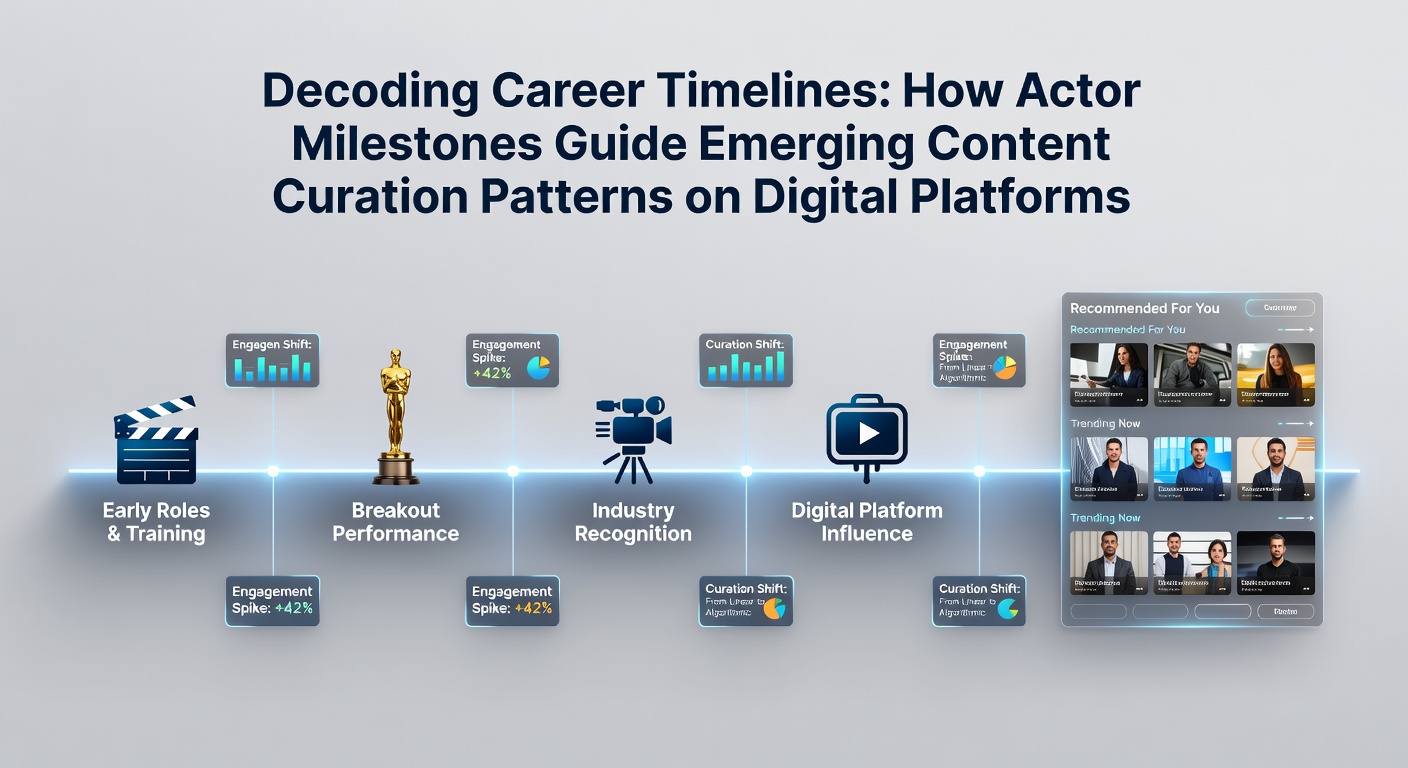
Actor career timelines reveal distinct patterns that digital platforms analyze when refining content curation systems, and data from streaming services shows how key milestones such as breakthrough roles, award recognitions, and genre shifts influence recommendation algorithms across multiple markets. Platforms collect performance metrics tied to individual performers then map those against user engagement rates to adjust visibility for related titles while researchers track these connections through public datasets and internal analytics reports.
Mapping Milestones to Platform Algorithms
Performers reach career peaks at various points and those moments create measurable spikes in search queries along with watch time according to industry reports from the European Commission on digital media consumption trends. Systems identify an actor's first major success then prioritize earlier works or similar projects in user feeds whereas subsequent achievements like international awards trigger broader category expansions that include co-star collaborations and thematic collections. Observers note that these adjustments occur in real time as platforms process fresh viewership numbers and update ranking models to reflect current interest levels.
Data Inputs from Career Histories
Digital services integrate biographical timelines with release schedules to build predictive models and studies from the University of Melbourne's media research center indicate that milestone events correlate with increased cross-genre exploration among subscribers. When an actor transitions from supporting parts to lead roles the associated filmography receives elevated placement in discovery sections while historical data helps forecast which new productions will gain traction based on established audience loyalty patterns. This process relies on structured datasets that tag each project with performance indicators drawn from box office figures, critical reception scores, and streaming hours logged after initial launch.
Regional Variations in Curation Practices
Content teams in North America apply milestone tracking differently than those operating in Asia-Pacific regions yet both approaches draw from the same foundational principle of linking performer trajectories to viewer retention rates. Canadian heritage institutions have documented how national platforms adjust regional catalogs when local talent achieves global recognition and such shifts often result in curated playlists that highlight career arcs rather than isolated titles. European services meanwhile emphasize collaborative histories between performers and directors which allows algorithms to surface interconnected filmographies during peak interest periods following major festival appearances or career announcements.
Emerging Patterns in May 2026
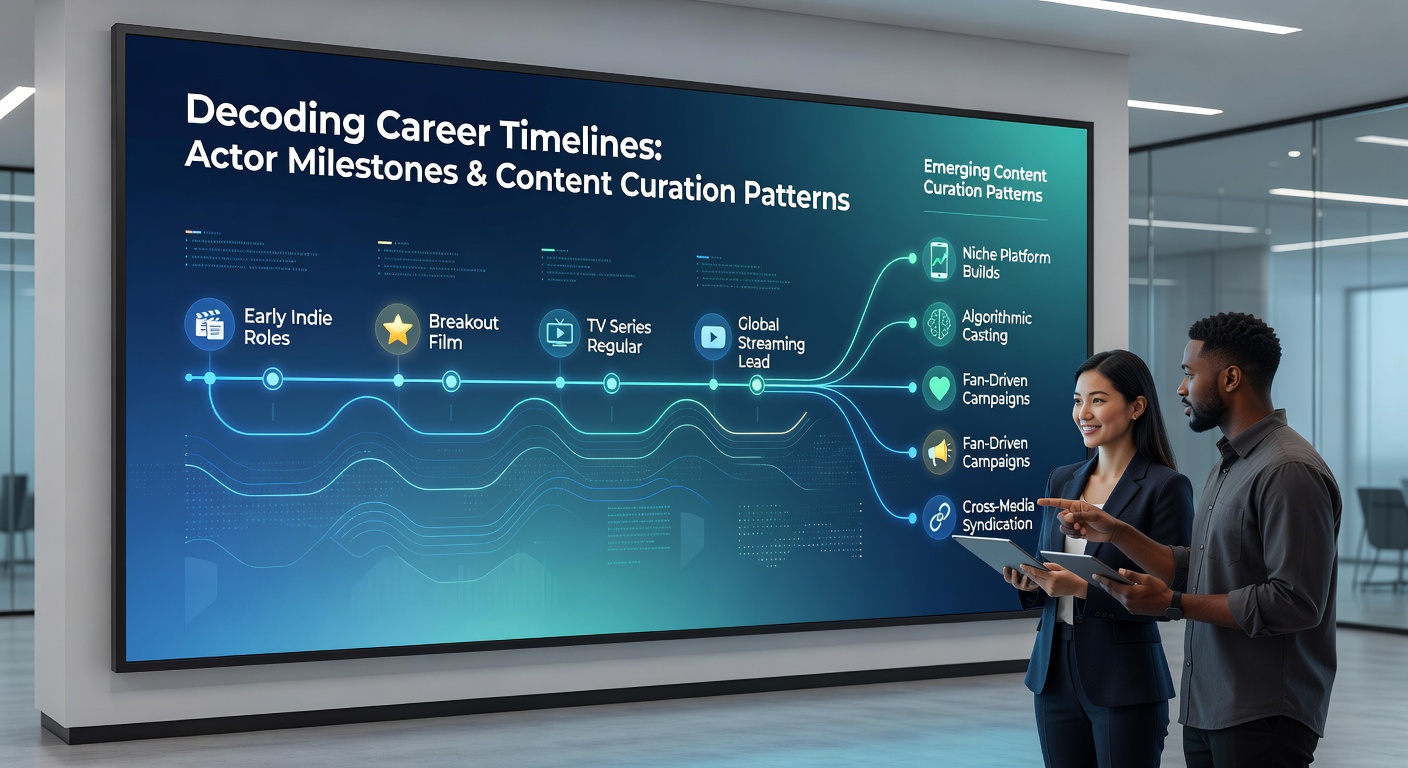
By May 2026 platform updates incorporated more granular timeline segmentation that distinguished between early-career experiments and mature-phase projects and this refinement produced noticeable changes in how niche titles surfaced for established fan bases. Industry analysts reported that performers celebrating twenty-year anniversaries of debut films saw coordinated promotions across multiple services while newer entrants benefited from rapid milestone detection that accelerated visibility for breakout performances. These developments reflect ongoing refinements to machine learning frameworks that process chronological data alongside demographic preferences to deliver personalized queues.
Integration with Broader Recommendation Systems
Algorithms combine milestone information with external signals such as social media activity spikes and festival circuit appearances yet teh core mechanism remains rooted in verifiable career progression markers. Government reports from Australia's eSafety Commissioner highlight the role of transparent data practices in maintaining user trust when platforms leverage performer histories for targeted suggestions. Trade associations in the gaming and interactive media sectors have begun exploring parallel applications where voice actor timelines influence narrative content recommendations within digital entertainment ecosystems.
Future Implications for Content Strategy
Continued evolution of these curation methods depends on access to comprehensive career databases and collaborative agreements between platforms and rights holders. Research institutions continue to publish findings on the accuracy of milestone-based predictions while regulatory bodies across different jurisdictions monitor how such practices affect content diversity and discoverability for emerging talent. Platforms that successfully balance historical timelines with forward-looking release schedules maintain higher engagement metrics according to aggregated industry statistics released through academic channels.
Conclusion
Actor career timelines function as structured datasets that guide content curation across digital platforms through systematic analysis of milestones and engagement correlations. Researchers and platform operators apply these insights to refine recommendation engines while regional variations demonstrate adaptable implementation strategies. Ongoing developments through 2026 indicate sustained integration of chronological performer data with broader algorithmic frameworks that prioritize measurable audience response patterns over isolated title promotion.