Integrating Artist Career Paths and Release Schedules to Improve Genre Recommendations Across Streaming Services
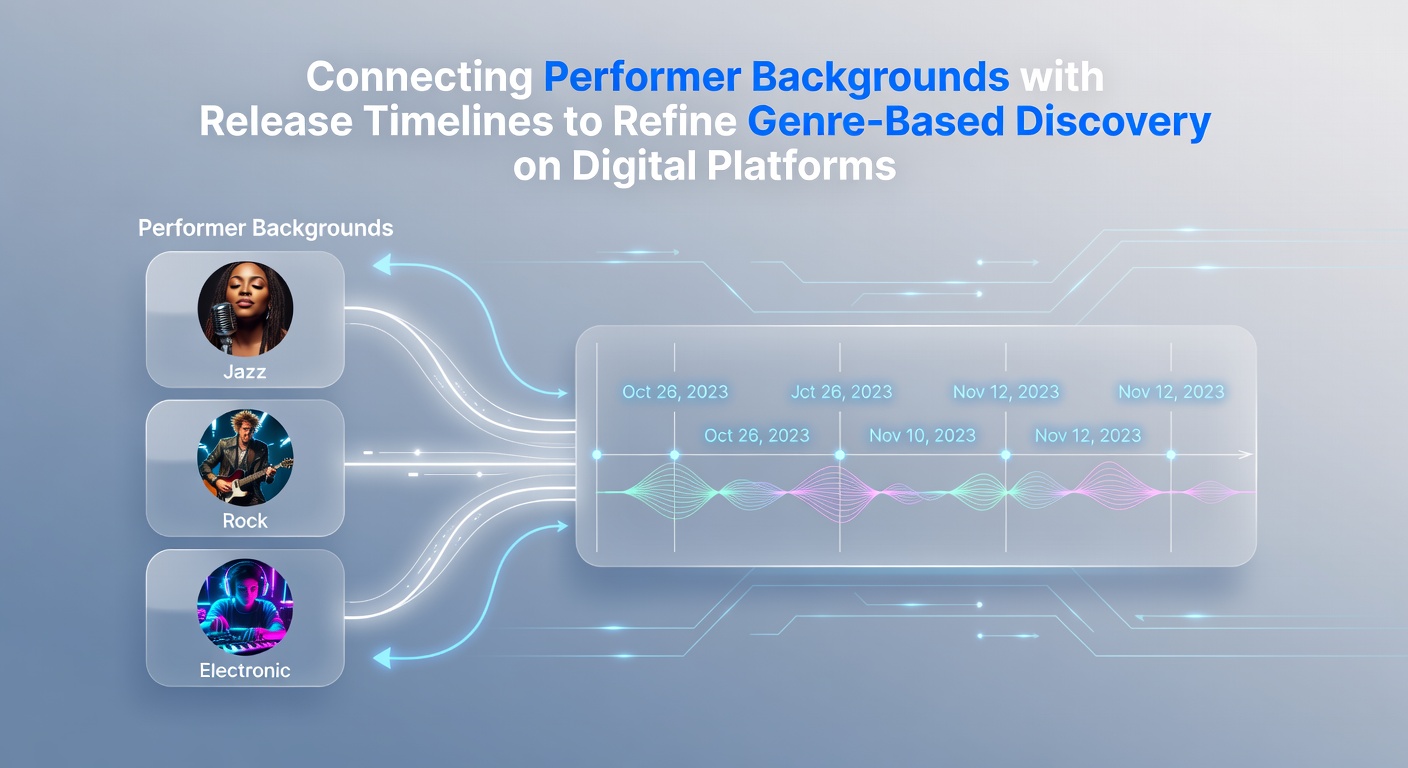
Digital platforms continue to refine how users encounter new music by connecting detailed performer backgrounds with precise release timelines, and this approach allows algorithms to suggest genres more accurately based on an artist's evolution over time. Observers note that when systems track an artist's early work in one style alongside later shifts, they generate suggestions that align closely with listener preferences while expanding exposure to related categories. Research indicates that such integrations help platforms move beyond basic popularity metrics toward more nuanced matching processes that consider historical context and current output simultaneously.
Mapping Performer Backgrounds to Platform Data Structures
Performers often accumulate experience across multiple genres before settling into signature sounds, and platforms that incorporate this information into their databases create richer profiles for each artist. Data shows that including details like previous collaborations, genre experiments, and career milestones enables recommendation engines to identify patterns that users might otherwise overlook. Those who've studied these systems find that background data combined with release dates produces timelines revealing how an artist transitions between styles, which in turn supports more targeted genre-based browsing features. For instance, an artist who began in folk traditions before moving toward electronic productions provides a clear trajectory that algorithms can use to suggest hybrid playlists or discovery lists during specific periods.
Release Timelines and Their Role in Genre Refinement
Release schedules offer critical markers that platforms leverage to update genre classifications dynamically, and when these timelines intersect with performer histories the results enhance user navigation through vast catalogs. Evidence suggests that tracking exact release months and years alongside background information helps distinguish between an artist's exploratory phases and their established periods, leading to recommendations that feel timely rather than generic. Platforms operating in regions such as the European Union have incorporated similar data layers, according to reports from the European Commission's digital culture initiatives, which highlight improved engagement metrics when timelines guide suggestions. Users frequently discover emerging subgenres through these connections because the system can highlight releases that represent pivotal shifts in an artist's output.
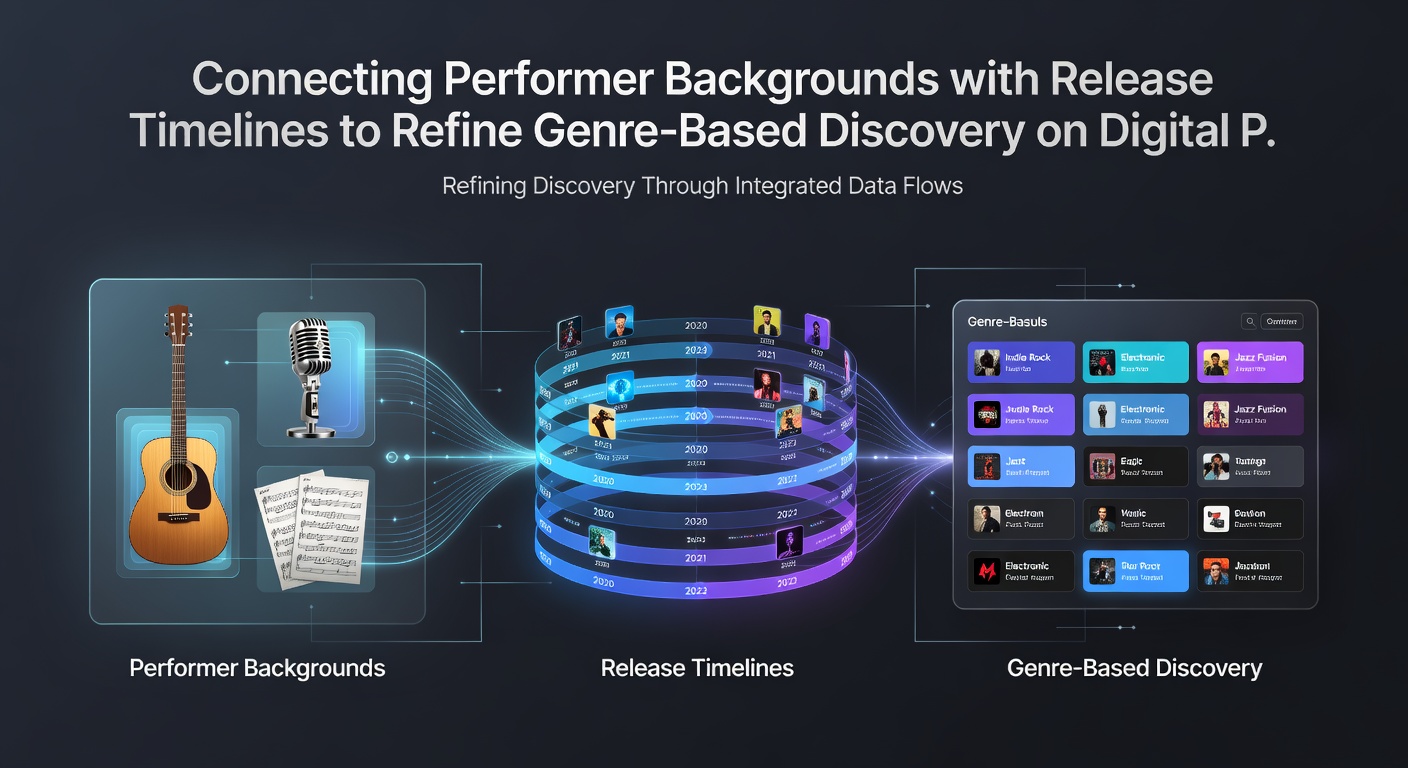
What's interesting is how release clusters during certain seasons influence discovery patterns, and analysts observe that artists releasing multiple projects within short windows often see their earlier background elements resurface in algorithmic suggestions. This method avoids overwhelming users with unrelated content while still introducing variety rooted in verifiable career facts.
Practical Implementation on Major Services
Streaming services apply these connections through layered metadata systems that update in real time, and industry reports from organizations like the International Federation of the Phonographic Industry reveal measurable gains in user retention when genre filters draw from both history and timing. In May 2026 several platforms expanded these features to include more granular timeline filters, allowing listeners to explore an artist's output by decade or by specific genre pivot points. Academic studies from institutions such as the University of Melbourne's digital media research group have examined similar frameworks and documented how they reduce the gap between casual browsing and intentional genre exploration. The process works by cross-referencing release metadata with performer biographies stored in centralized databases, which then feed into personalized home screens and search results.
People often find that discovering an artist's work from a particular era becomes simpler when platforms surface related releases automatically, and this integration proves especially useful for genres that evolve rapidly like hip-hop or indie electronic music. Those who've examined user behavior data note consistent increases in cross-genre listening sessions when background and timeline elements combine in the recommendation logic.
Broader Impacts on Listener Engagement
Genre-based discovery benefits when platforms prioritize factual connections over surface-level popularity, and this leads to more diverse listening habits across user bases. Figures from various market analyses show that services employing these refined methods report higher completion rates for suggested playlists because the matches reflect actual artistic development rather than isolated hits. The approach also supports emerging performers by linking their initial releases to established genre categories through timeline context, which helps new entries gain visibility within established discovery flows. Observers in the field continue to track how these systems adapt as more artists release work across international markets with varying distribution schedules.
Conclusion
Connecting performer backgrounds with release timelines creates a foundation for genre discovery that platforms continue to develop, and this method delivers structured pathways through large music libraries. As services refine these tools further, users gain access to recommendations grounded in verifiable career data and chronological markers that enhance exploration without relying on assumptions. The ongoing integration of such elements supports a more informed and varied listening experience across digital environments.