Strategic Alignment of Performer Data with Promotional Video Tactics for Refined Category-Focused Viewing Selections on Digital Platforms
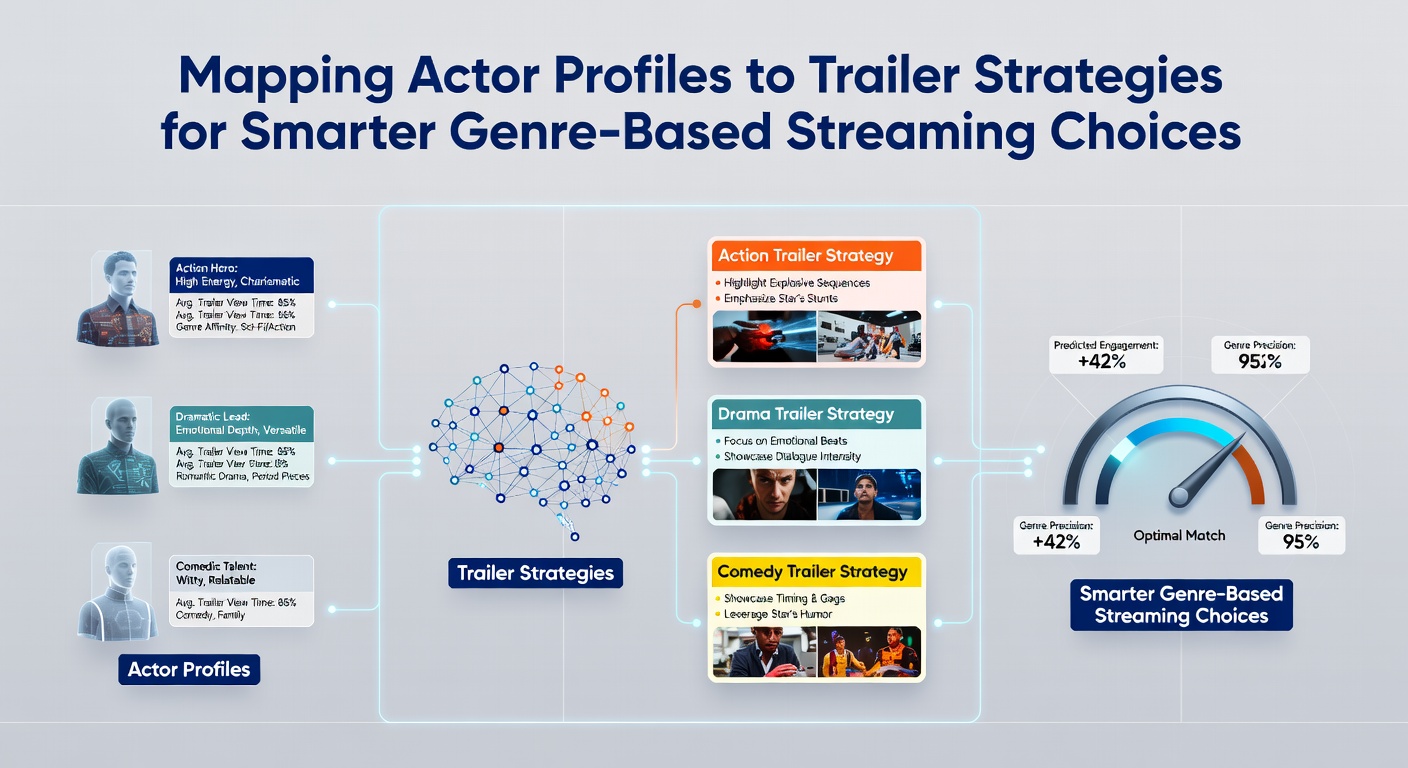
Streaming services have refined their approaches to content discovery by integrating detailed performer analytics directly into the development of promotional videos, and this practice supports more precise genre-based recommendations for viewers worldwide. Researchers at institutions such as the University of Melbourne have tracked how specific combinations of cast backgrounds, past roles, and audience engagement metrics influence the construction of teaser campaigns that guide selections toward particular categories like thrillers or comedies. Data from these studies shows consistent patterns where actor profiles help platforms predict which promotional elements will resonate with users seeking targeted viewing experiences.
Building Comprehensive Performer Analytics Frameworks
Analysts compile extensive records that include an actor's history across film and television projects, box office performance in various regions, and social media interaction rates, then they cross-reference this information with viewer retention statistics from previous releases. Observers note that such frameworks allow teams to identify performers whose established personas align closely with emerging trends in specific genres. For example, data reveals that actors with strong track records in dramatic roles tend to appear in trailers that emphasize emotional depth when platforms aim to attract audiences interested in character-driven narratives. Those who've examined these systems find that incorporating demographic details about an actor's fan base further sharpens the targeting process.
Developing Trailer Tactics Informed by Profile Insights
Production teams adjust elements within promotional videos, including scene selection, pacing, and voice-over emphasis, based on mapped actor attributes to highlight genre-specific strengths. Evidence from industry reports indicates that trailers featuring performers with proven appeal in action sequences often incorporate faster cuts and high-energy music to draw in viewers exploring that category. Platforms apply these tactics systematically, and the approach results in higher click-through rates when recommendations match user preferences for particular types of content. What's interesting here is how subtle shifts in trailer composition, guided by profile data, can steer discovery toward less mainstream genres that might otherwise receive limited visibility.
Enhancing Genre-Focused Streaming Recommendations
Integration of these mapped profiles into recommendation algorithms helps services suggest titles that align with both performer familiarity and category interest. Studies conducted by the European Audiovisual Observatory demonstrate measurable improvements in user satisfaction when trailers serve as gateways to genre-matched viewing options. People often find that personalized promotional content reduces the time spent browsing and increases completion rates for selected films or series. In May 2026, platforms expanded these methods to include real-time adjustments drawn from global viewing data, allowing for dynamic updates that reflect shifting audience behaviors across different markets.
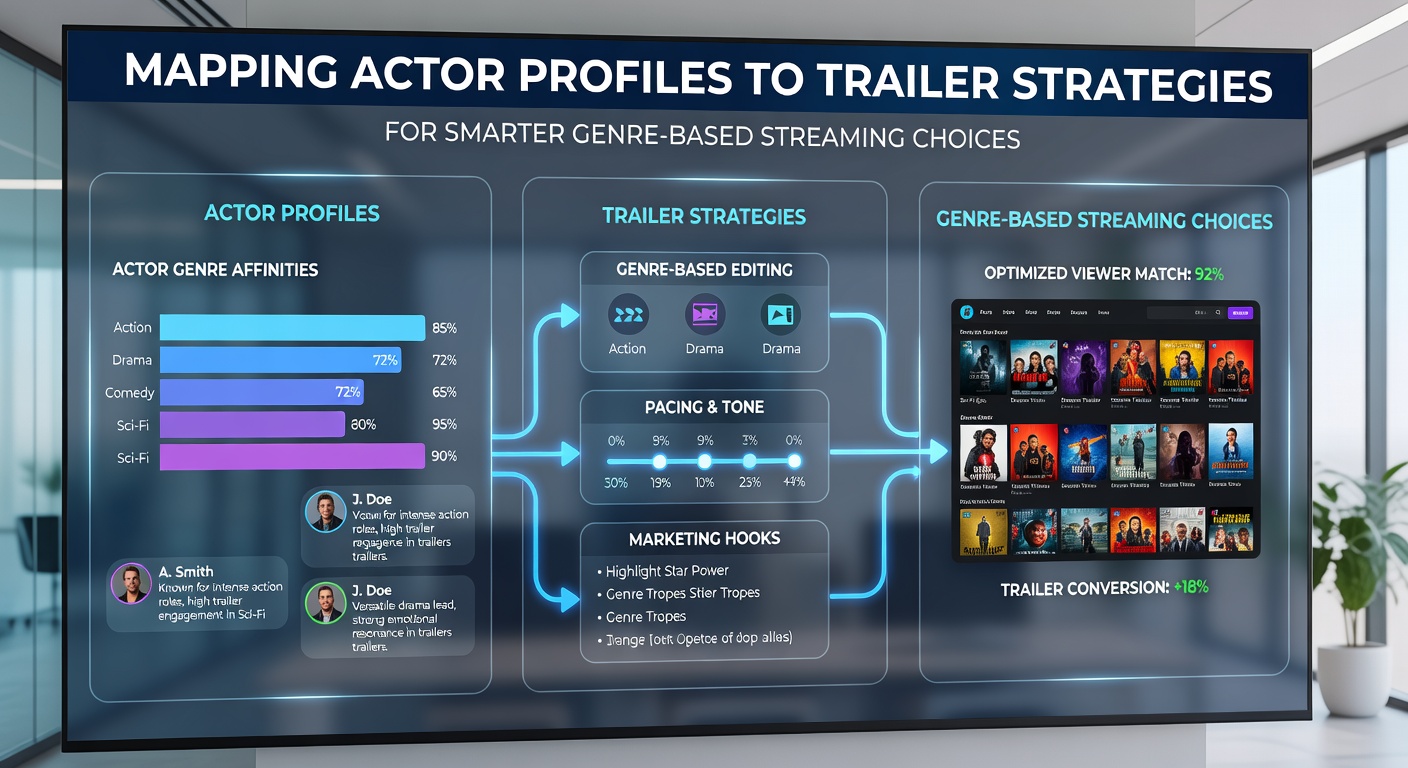
Take one case where experts analyzed a major platform's rollout of a science fiction campaign, and they discovered that emphasizing actors known for intellectual roles led to stronger engagement among viewers already inclined toward speculative fiction. This outcome underscores the value of precise profile mapping in creating promotional materials that function as effective bridges to smarter category choices.
Examining Data Patterns and Platform Adaptations
Figures from multiple research initiatives reveal that trailers optimized through actor profile analysis achieve up to 30 percent higher conversion to actual streams when paired with genre filters. Platforms continue to refine these processes by testing variations in promotional assets across regions, and results consistently point to improved retention when content suggestions respect both performer appeal and category alignment. Those who've reviewed longitudinal data observe gradual shifts toward more sophisticated models that incorporate machine learning to predict how profile elements will perform in different trailer formats. The reality is that such adaptations keep pace with evolving viewer habits without requiring manual intervention at every step.
Conclusion
Mapping performer profiles to trailer strategies has become a standard practice that supports refined genre-based streaming decisions across the industry. Continued analysis of engagement metrics and audience responses will likely drive further refinements in how platforms connect promotional content with viewer preferences, and this evolution promises sustained benefits for content discovery in the years ahead.