Strategic Curation of Performer Data for Refined Genre Categorization in Streaming Ecosystems
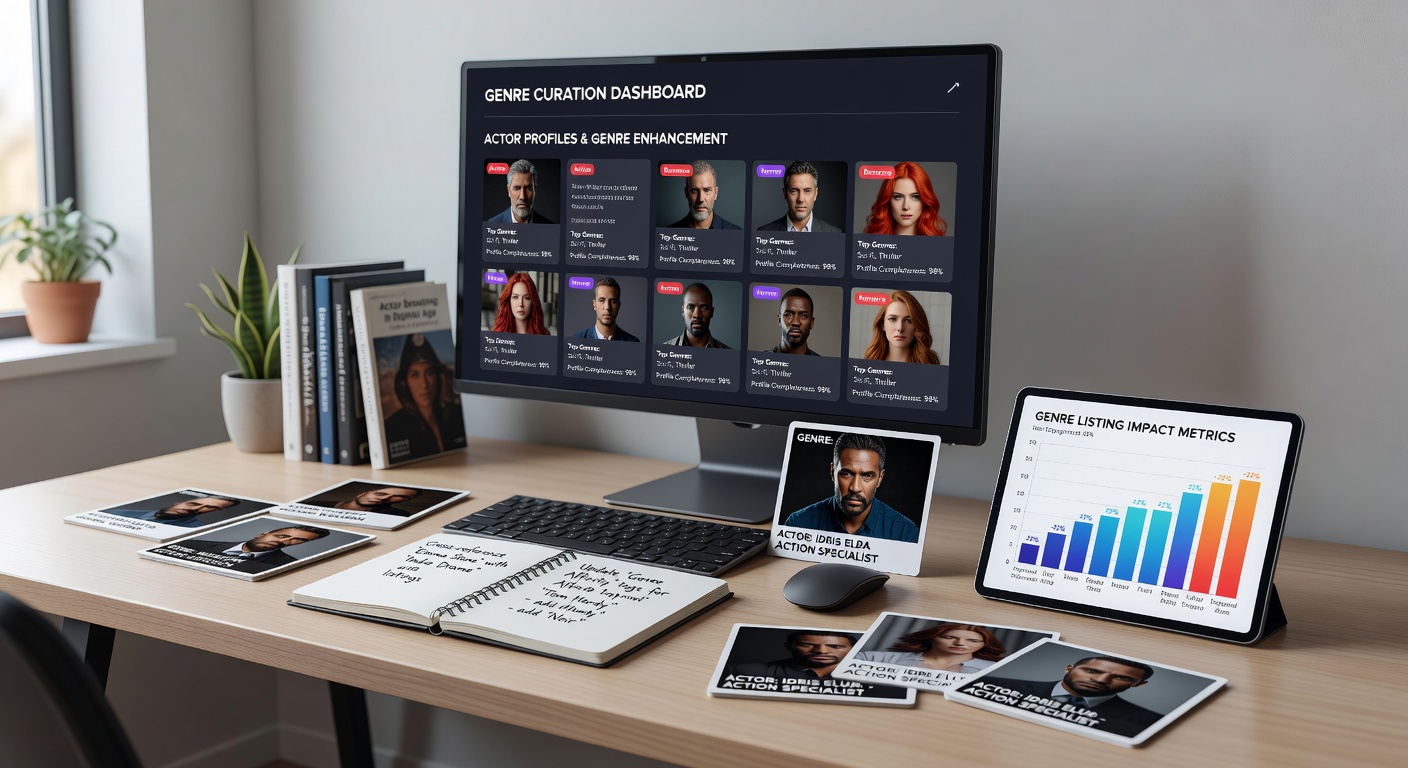
Modern streaming services rely on detailed performer metadata to organize content into precise genre categories that match viewer preferences, and this process begins with systematic collection of biographical details, filmography records, and role-specific attributes. Data teams at major platforms aggregate information from public databases alongside proprietary viewing statistics to build actor profiles that influence how titles appear in searches for drama, thriller, or comedy sections. These profiles incorporate elements such as past genre associations, co-star connections, and audience engagement metrics that help algorithms assign appropriate tags without manual intervention for every release.
Metadata Frameworks and Their Impact on Genre Accuracy
Researchers at institutions like the MIT Media Lab have documented how structured data fields for actors improve the reliability of automated genre detection systems, which reduces misclassifications that frustrate users navigating large libraries. Platforms apply consistent schemas to capture attributes including primary language specialties, directorial collaborations, and award histories, which in turn feed into recommendation engines that surface relevant titles. Observers note that when profiles include granular details about character archetypes an actor frequently portrays, the resulting genre listings become more dynamic and responsive to emerging trends in content consumption.
Industry reports from the European Audiovisual Observatory highlight that services operating across multiple regions standardize these profiles to maintain consistency, even as local regulations on data handling vary. This standardization allows genre categories to reflect cross-cultural viewing patterns, such as actors who transition between action and romance projects gaining visibility in both listings simultaneously. The approach connects individual performer histories with broader catalog organization, creating pathways for discovery that extend beyond basic keyword matching.
Implementation Practices Across Leading Services
Teams responsible for profile maintenance update entries following new releases or career announcements, ensuring that genre assignments evolve alongside an actor's body of work. For instance, performers with extensive credits in independent films receive profile adjustments that place their projects into niche categories like arthouse drama, while those in franchise series see profiles emphasize blockbuster action tags. These updates occur through automated pipelines supplemented by human review for high-profile cases, which maintains accuracy while scaling to thousands of entries.
What's interesting is how platforms integrate social media signals and fan interaction data into actor profiles, allowing genre listings to highlight performers experiencing renewed popularity in specific categories. Such integrations help services respond to seasonal shifts, like increased interest in horror actors during certain months. Data shows that refined profiles contribute to higher completion rates for titles placed in targeted genres, as users encounter content aligned with established performer associations.
Technological Tools Supporting Profile Enhancement
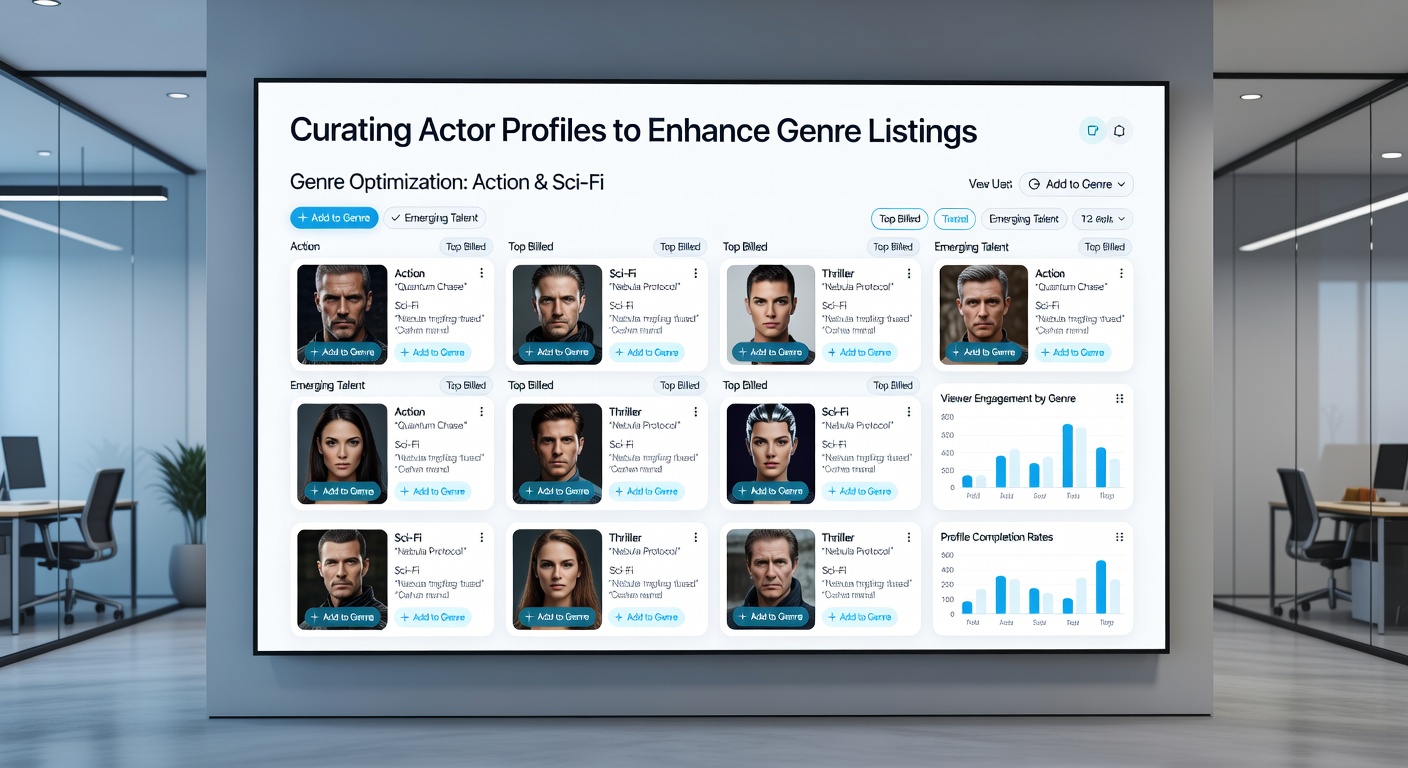
Machine learning models process profile information to predict suitable genre placements by analyzing patterns across large datasets of viewer behavior and content attributes. These models draw from sources including closed caption analysis for dialogue styles and visual recognition for recurring thematic elements tied to specific actors. Engineers refine the models periodically, incorporating feedback loops from user interactions that flag incorrect genre suggestions for correction.
Services in June 2026 introduced enhanced profile versioning systems that track changes over time, which supports retrospective adjustments to genre listings when new context emerges about an actor's earlier roles. This capability proves useful for catalog maintenance, allowing older titles to gain fresh visibility in updated categories without altering original metadata structures. The reality is that such tools operate within frameworks established by regional authorities focused on digital content accessibility, ensuring profiles remain compliant while delivering functional improvements.
Future Directions in Profile-Driven Genre Systems
Continued development focuses on expanding profile fields to include collaborative networks among actors, which can generate ensemble-based genre recommendations that group titles by shared cast members. Academic studies from various universities demonstrate measurable gains in user retention when these network connections inform categorization logic. Platforms experiment with real-time profile syncing that reflects live events, such as festival appearances or new project announcements, to keep genre listings current.
Those who've examined implementation records find that investment in profile curation correlates with expanded international reach, as localized genre tags adapt based on actor popularity in different markets. The process remains iterative, with ongoing evaluation of how profile depth influences the overall user experience across devices and interfaces.
Conclusion
Curated actor profiles serve as foundational elements that strengthen genre listings on streaming platforms through precise metadata application and algorithmic support. Services continue to refine these systems using established data practices and emerging technologies, which sustains effective content organization for diverse audiences worldwide.